heavy duty steel grating
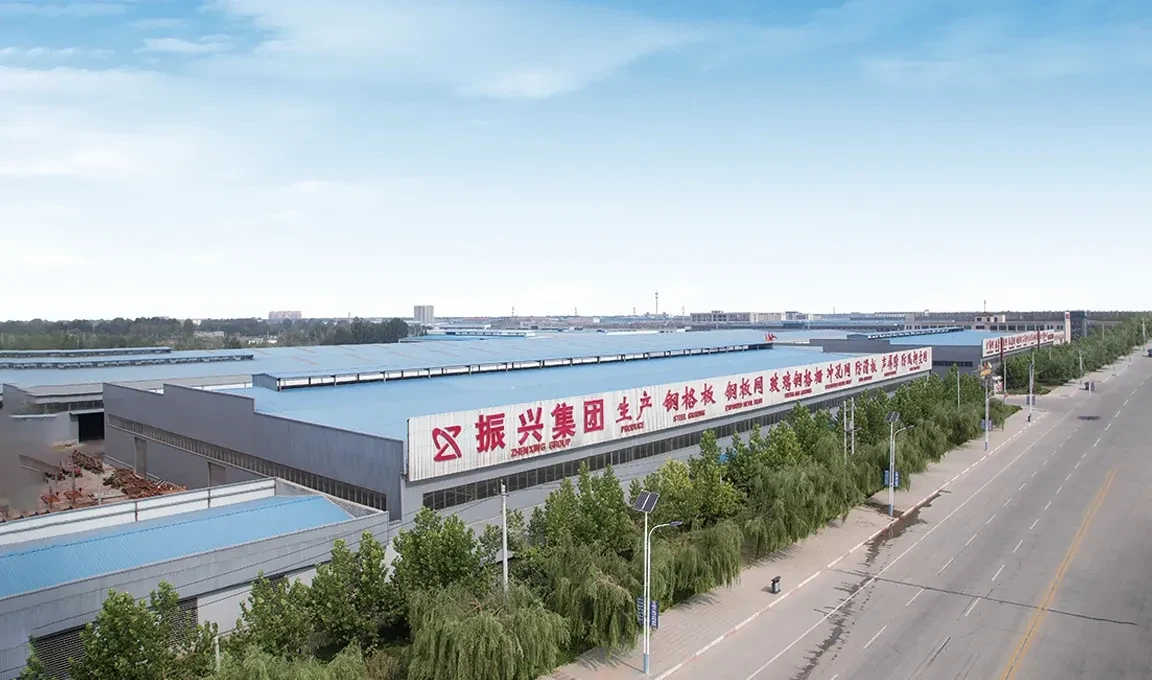
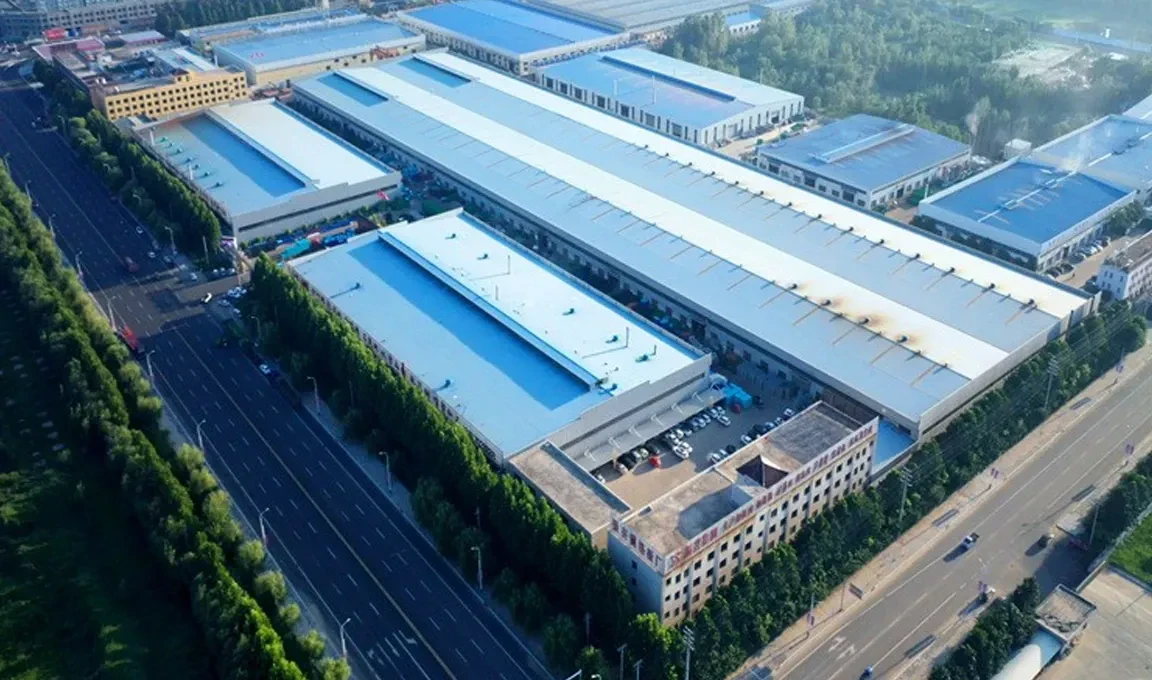
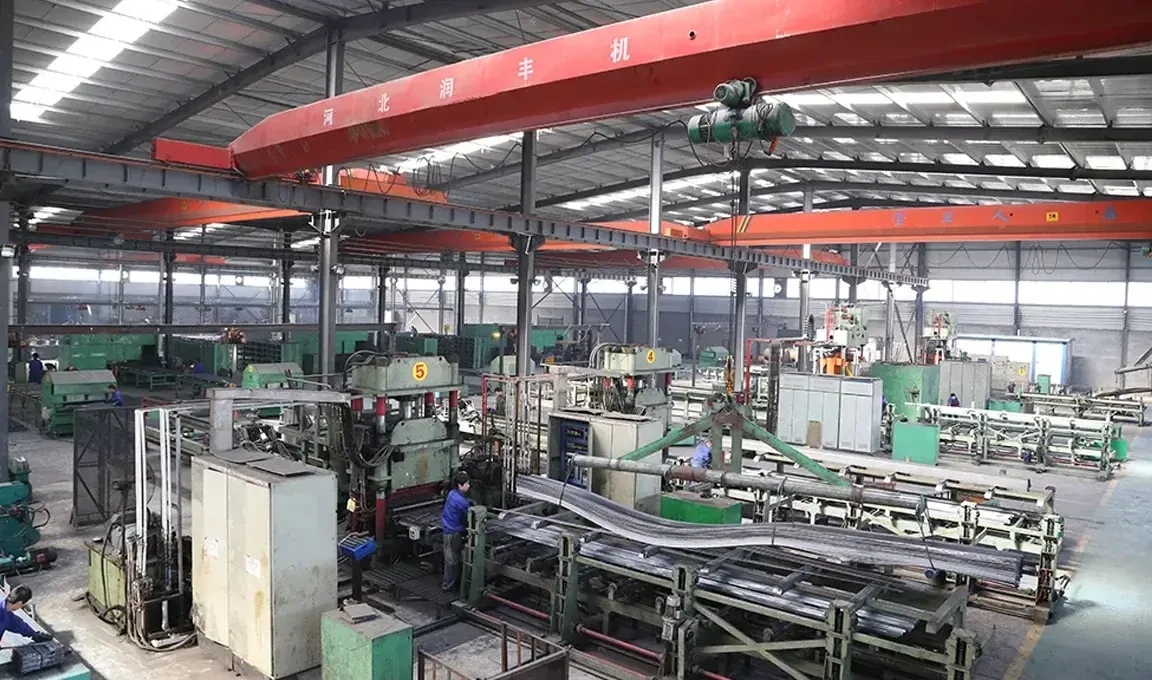
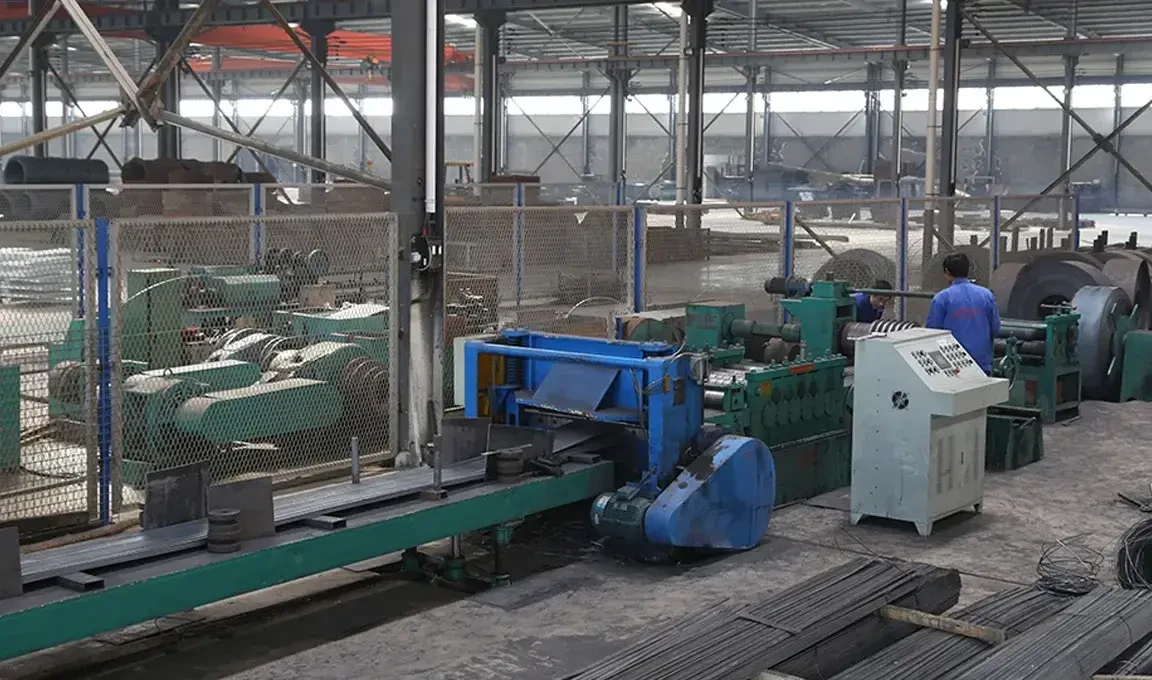
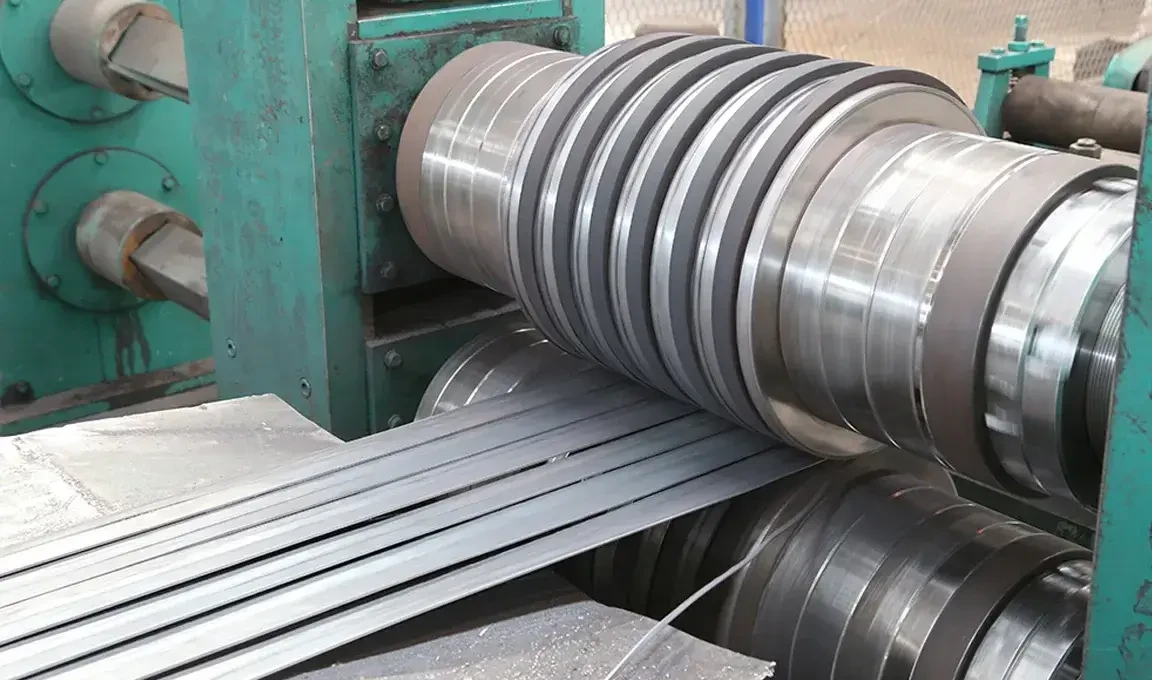
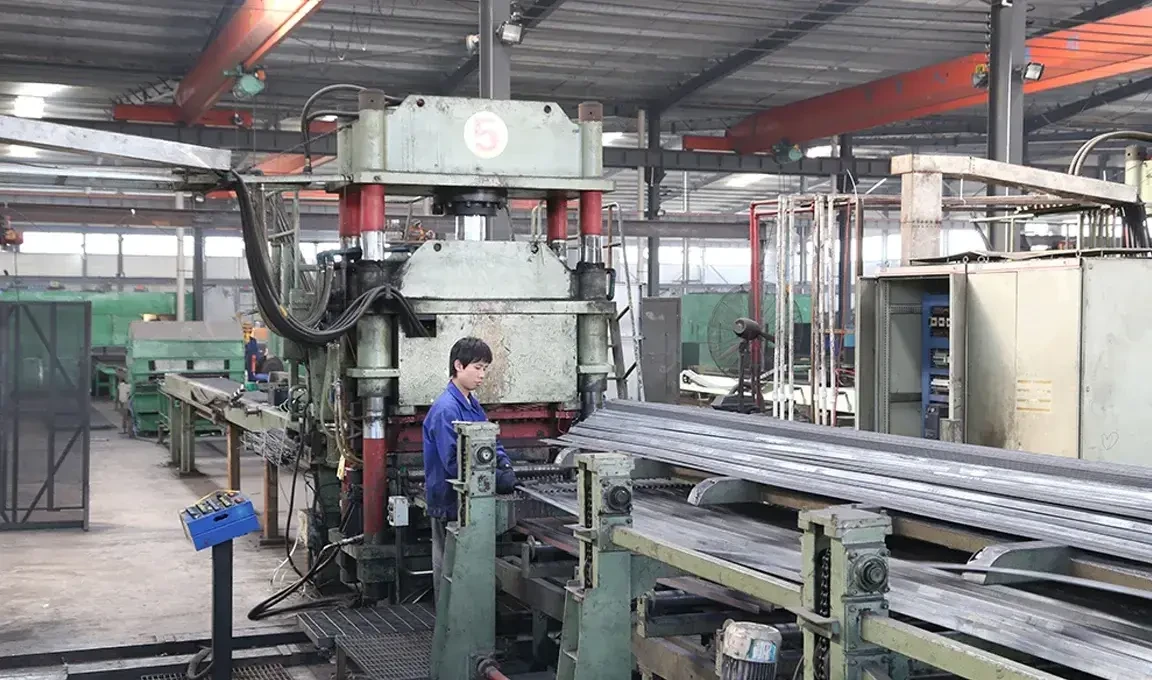
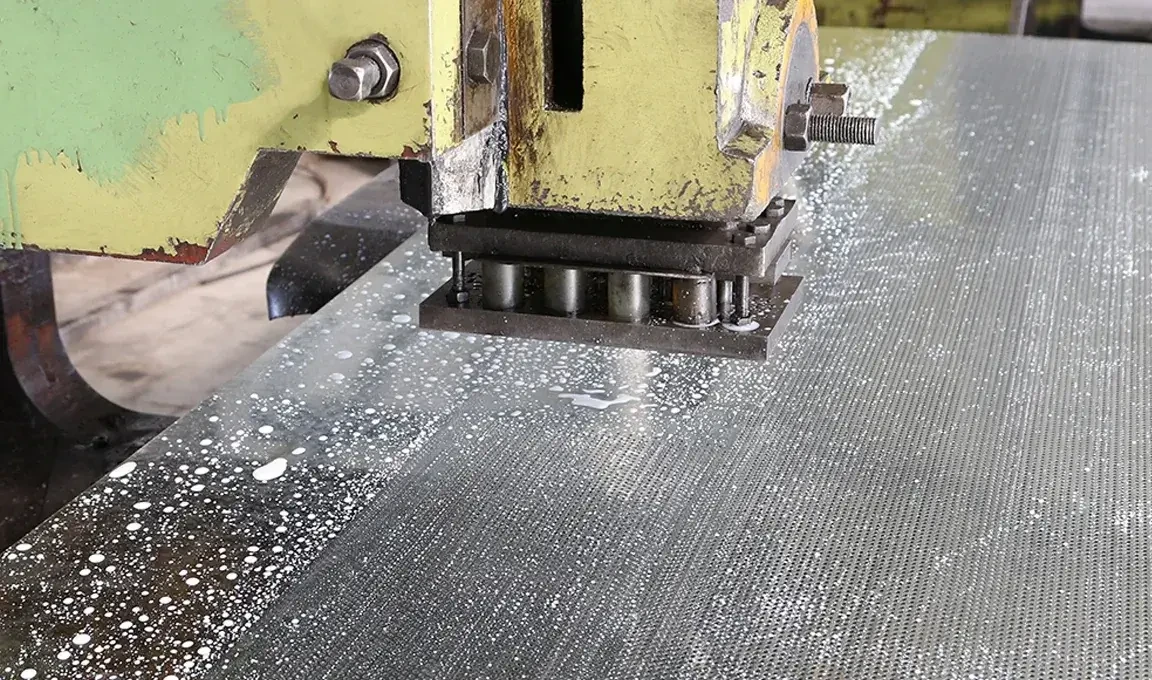
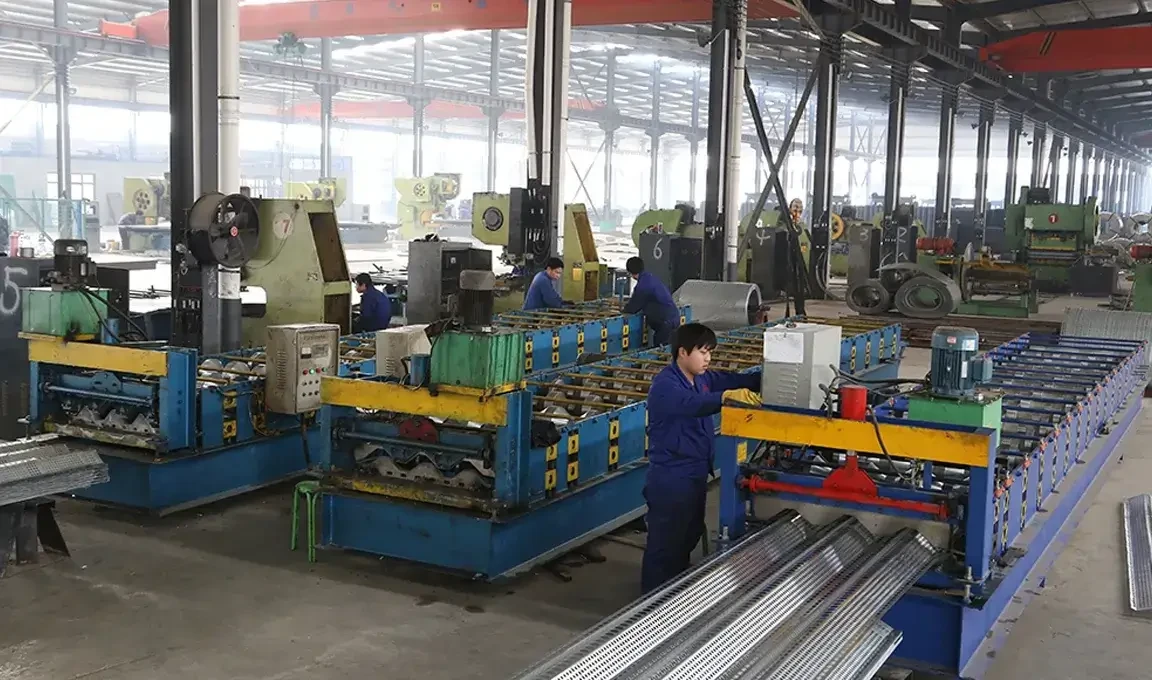
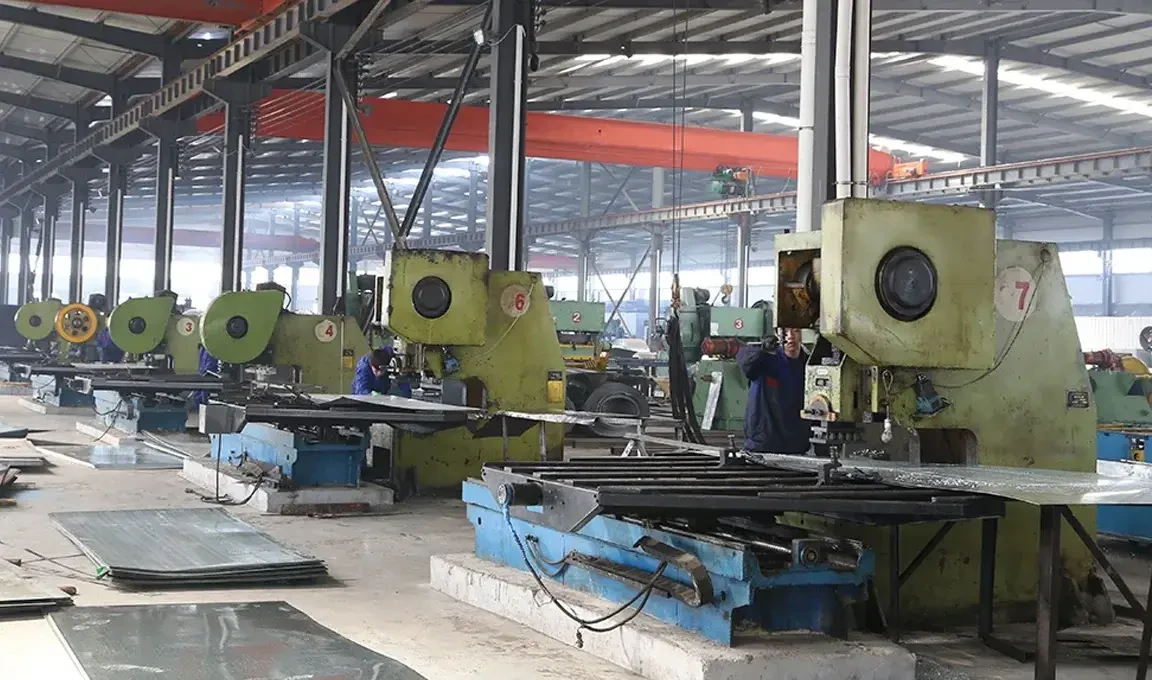
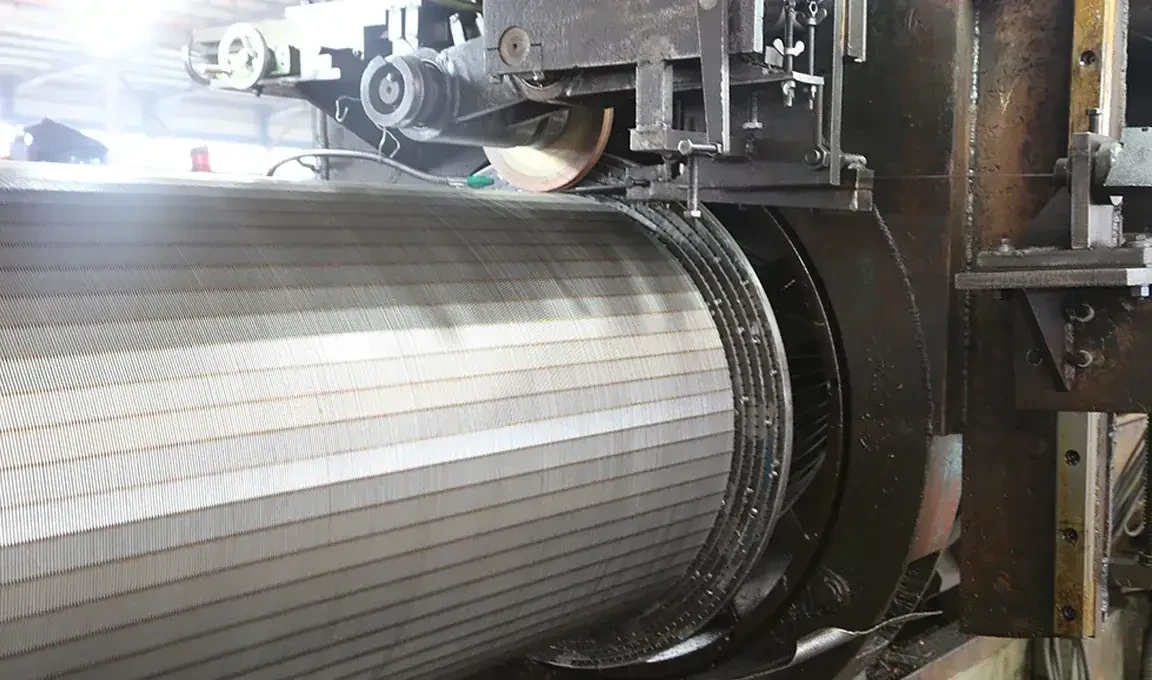
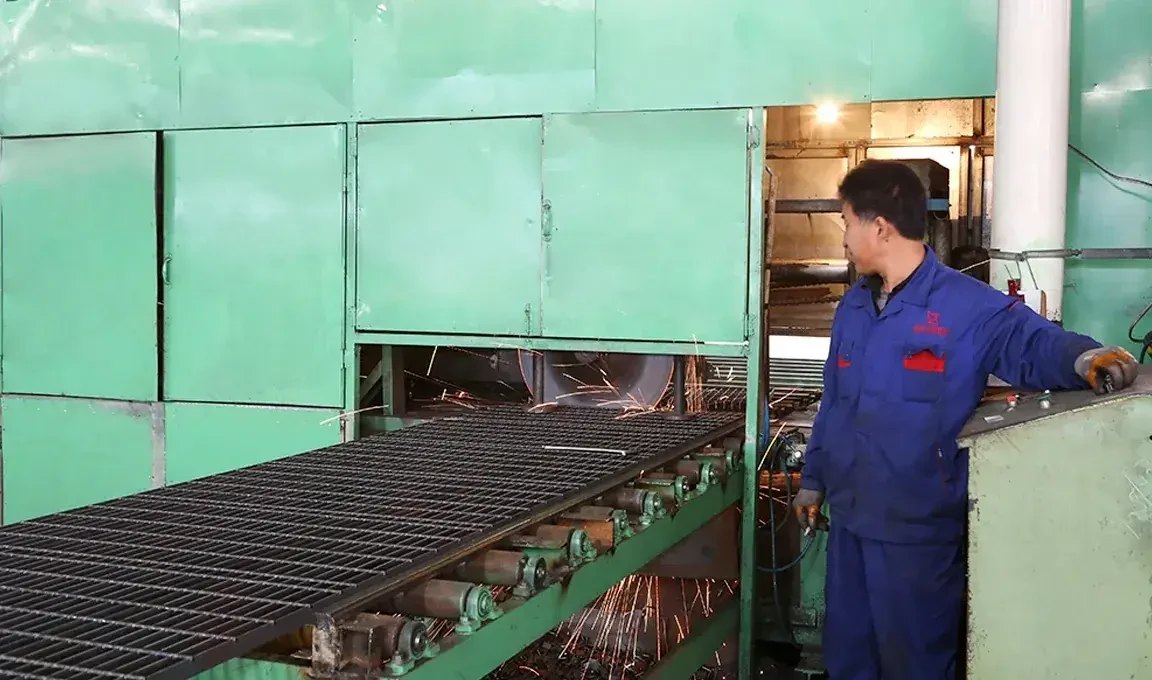
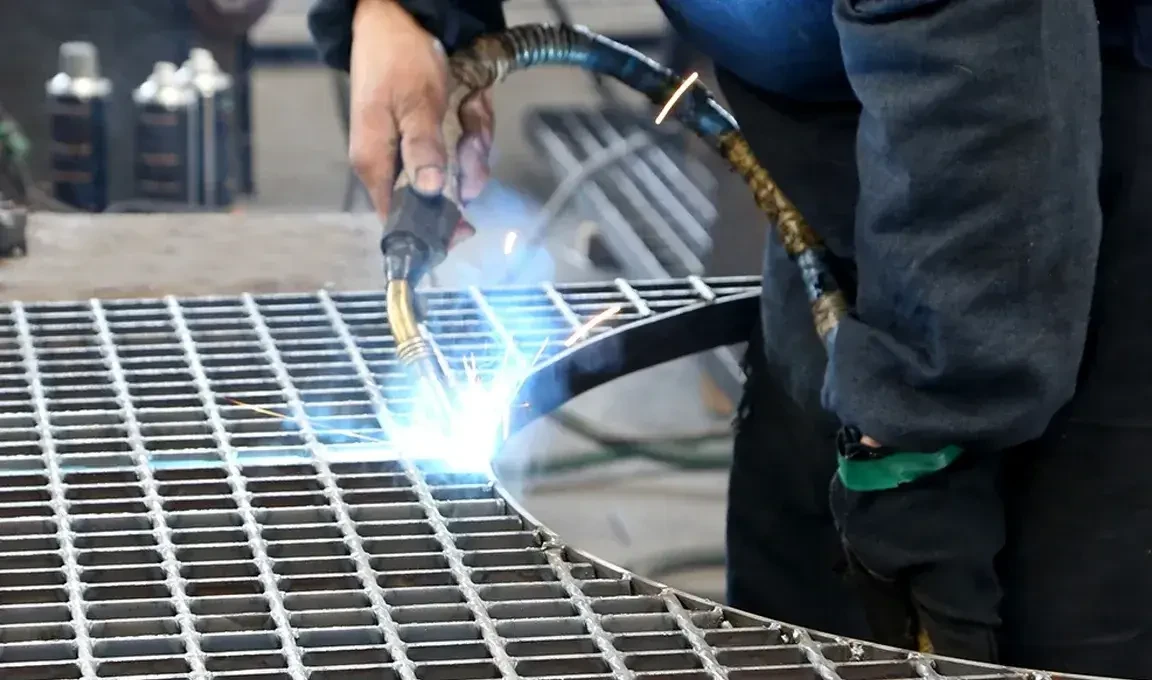
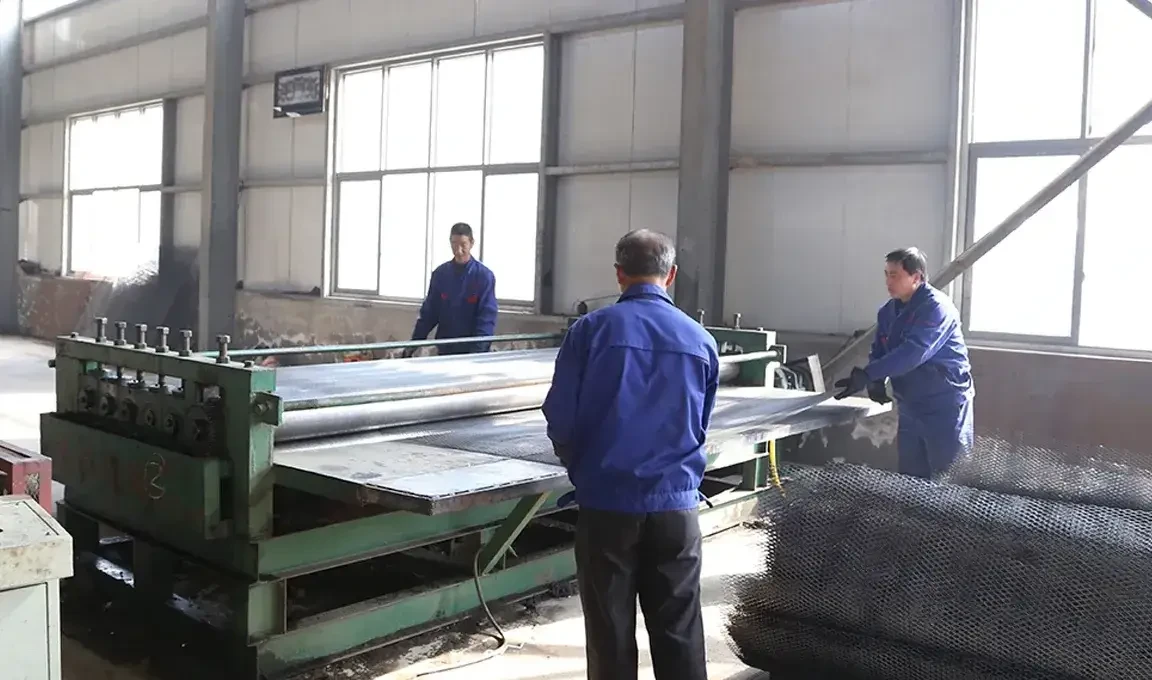
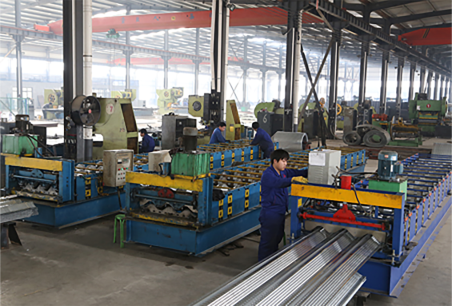
Understanding Heavy-Duty Steel Grating in Industrial Applications In the demanding landscape of industrial infrastructure, structural integrity and operational safety are paramount. Central to achieving these objectives is the strategic deployment of robust, reliable materials. Among these, heavy duty steel grating stands out as an indispensable component. Engineered to withstand extreme loads, harsh environmental conditions, and continuous operational stresses, it forms the backbone of platforms, walkways, and stairways across a multitude of heavy industries. This comprehensive overview delves into the technical intricacies, application versatility, and strategic advantages of this critical material, exploring its role in enhancing safety, efficiency, and longevity in industrial environments. From petrochemical facilities to offshore platforms, understanding the nuances of heavy-duty steel grating is essential for B2B decision-makers and engineering professionals. Designed for superior strength and durability, these gratings are crucial for applications requiring high load-bearing capacity, such as truck loading docks, power plant platforms, and bridge decks. They are distinct from lighter alternatives often used in commercial or architectural settings, providing unparalleled support and safety in the most challenging industrial environments. Related applications include specialized metal catwalk grating and metal grating stairs , all demanding exceptional structural performance. Industry Trends and Market Dynamics The market for industrial steel grating is experiencing dynamic shifts, driven by evolving regulatory standards, technological advancements, and a heightened focus on sustainability. Key trends influencing the demand for heavy duty steel grating include: Enhanced Safety Standards: A global push for stricter workplace safety mandates the use of highly durable, slip-resistant grating solutions, particularly in hazardous environments. Increased Demand for Corrosion Resistance: Industries operating in marine, chemical, or high-humidity environments are increasingly specifying galvanised steel grating due to its extended service life and reduced maintenance costs. Hot-dip galvanization, conforming to standards like ASTM A123, significantly boosts longevity. Customization and Modularity: The shift towards bespoke industrial solutions necessitates manufacturers offering highly customizable grating panels, including specific cutouts, banding options, and surface treatments to integrate seamlessly into complex architectural and engineering designs. Technological Integration: Advanced manufacturing processes, including automated welding and CNC machining for precise fabrication, are becoming standard, improving product consistency and efficiency. Sustainability Focus: Manufacturers are exploring more environmentally friendly production methods and materials, though steel remains a highly recyclable and sustainable choice. These trends highlight a growing emphasis on quality, durability, and tailored solutions in the industrial grating sector, propelling innovation and driving market growth across various heavy industries. The Meticulous Manufacturing Process of Heavy-Duty Steel Grating The production of heavy duty steel grating is a highly specialized process, ensuring the final product meets stringent performance and safety criteria. The primary method for manufacturing heavy-duty grating is resistance welding, which ensures exceptional strength and load distribution. Process Flow: Material Selection: High-grade low carbon steel (e.g., Q235, Q345) or stainless steel (e.g., SS304, SS316) is chosen based on application requirements, particularly for properties like tensile strength and corrosion resistance. Bearing Bar Preparation: Flat steel bars, which form the primary load-bearing elements, are precisely cut to specified lengths and dimensions (height and thickness) using automatic cutting machines. Cross Bar Insertion: Twisted square bars or round bars, serving as cross bars, are placed perpendicular to the bearing bars at precise intervals. These maintain the spacing of the bearing bars and add lateral stability. Resistance Welding: Utilizing high-amperage current and immense pressure, the cross bars are fused to the bearing bars at each intersection. This process ensures a robust, integral bond without the need for additional filler material, creating a monolithic panel with superior strength and durability, crucial for heavy duty bar grating . Edging/Banding: For enhanced stability and a finished appearance, flat bars are welded to the open ends of the grating panels. This banding helps distribute concentrated loads and protects the panel edges. Surface Treatment: The most common treatment is hot-dip galvanization, where the fabricated panels are immersed in molten zinc. This creates a metallurgical bond, forming a durable, corrosion-resistant coating that significantly extends the service life, especially for `galvanised steel grating`. Other treatments include painting, powder coating, or simply self-color for stainless steel. Inspection & Testing: Each panel undergoes rigorous quality control, including dimensional accuracy checks, load deflection tests (conforming to standards like ANSI/NAAMM MBG 531, AS 1657), and visual inspection of welds and surface finish. Manufacturers typically adhere to ISO 9001 quality management systems. The typical service life for properly installed and maintained galvanised steel grating can exceed 25-50 years, showcasing its long-term value. Target Industries and Advantages: These gratings are critical for sectors such as petrochemical, power generation, offshore exploration, metallurgy, mining, water supply & drainage, and heavy manufacturing. In a petrochemical plant, for instance, the open design of steel grating allows for efficient energy saving through light penetration and natural ventilation, while its inherent corrosion resistance (especially when galvanized) protects against chemical exposure and extends the structural integrity of platforms and walkways. Image: Manufacturing process of heavy duty steel grating. Technical Specifications and Performance Parameters The performance of heavy duty steel grating is defined by a precise set of technical specifications, ensuring its suitability for demanding applications. Understanding these parameters is crucial for engineers and procurement specialists. Key Parameters: Bearing Bar Dimensions: Height (e.g., 32mm to 100mm) and thickness (e.g., 3mm to 10mm). These directly influence the grating's load-bearing capacity and span capabilities. Bearing Bar Pitch: The center-to-center distance between bearing bars (e.g., 30mm, 40mm). A smaller pitch increases load distribution and reduces deflection. Cross Bar Pitch: The center-to-center distance between cross bars (e.g., 50mm, 100mm). This affects lateral stability and overall panel rigidity. Material Grade: Typically Q235 (equivalent to ASTM A36) or Q345 (equivalent to ASTM A572 Grade 50) for carbon steel, offering excellent structural properties. Stainless steel (304, 316) is used for superior corrosion resistance in specific chemical environments. Surface Treatment: Hot-dip galvanization (minimum coating thickness specified by ISO 1461 or ASTM A123) is standard for enhanced durability and corrosion protection, offering a zinc layer typically between 65-100 microns. Surface Type: Plain for general use or serrated for increased slip resistance, critical in wet or oily environments. Example Product Specification: Hot Sale Platform Grating Heavy Duty G325/30/100 Steel Grating This specific product exemplifies a common configuration for heavy duty steel grating , designed for high-performance industrial platforms. Parameter Specification for G325/30/100 Standard/Notes Bearing Bar Size 32x5 mm Height x Thickness (mm) Bearing Bar Pitch 30 mm Center-to-center distance Cross Bar Pitch 100 mm Center-to-center distance Material Low Carbon Steel (Q235) High tensile strength Surface Treatment Hot-dip Galvanized Conforms to ISO 1461 / ASTM A123 Max Span for 2 kPa Load ~1800 mm Based on typical deflection limits Diverse Application Scenarios The versatility of heavy duty steel grating makes it an ideal solution for a broad spectrum of industrial applications where strength, safety, and durability are non-negotiable. Its robust construction ensures reliable performance under severe operational conditions. Industrial Platforms and Walkways: Used extensively in power plants, chemical facilities, and manufacturing plants, providing safe and stable catwalk grating walkway and elevated platforms. The open mesh design allows light penetration and ventilation. Metal Grating Stairs and Ladders: Forming the treads for industrial stairs and ladders, offering excellent slip resistance and load capacity, critical for safe ascent and descent in multi-level structures. Trench Covers and Drainage Systems: Capable of withstanding vehicular traffic, these gratings are used as covers for drainage trenches in factories, roads, and airports, ensuring effective water runoff while maintaining structural integrity. Mezzanine Flooring: Provides durable and high-load-bearing mezzanine floors, optimizing vertical space in warehouses and production facilities. Offshore Oil and Gas Platforms: In these extremely corrosive and demanding environments, galvanized catwalk grating is crucial for ensuring worker safety and structural longevity against saltwater and harsh weather conditions. Bridge Decking and Highway Overpasses: Where heavy vehicular traffic is expected, special heavy-duty steel grating can be employed for bridge decks, offering a lightweight yet incredibly strong solution. Security Screens: The robust construction can be adapted for security fencing or screens in high-security industrial zones, offering physical barriers that are difficult to breach. Image: Heavy duty steel grating used in industrial flooring and walkways. These varied applications underscore the adaptability and critical importance of steel grating in maintaining safe, efficient, and robust industrial infrastructure. Technical Advantages: Why Choose Heavy-Duty Steel Grating? The selection of heavy duty steel grating for industrial projects is driven by a compelling set of technical advantages that directly translate into operational benefits and long-term cost savings. Exceptional Load-Bearing Capacity: Designed with thicker and taller bearing bars, these gratings can safely support immense static and dynamic loads, including heavy machinery, vehicles, and high volumes of foot traffic, without significant deflection. Superior Strength-to-Weight Ratio: Despite its robustness, steel grating offers an excellent strength-to-weight ratio compared to solid plates, reducing structural dead load while maintaining high performance. Outstanding Corrosion Resistance: When hot-dip galvanized, as is common for galvanised steel grating , the zinc coating provides a sacrificial barrier against rust and corrosion, extending the product's lifespan significantly even in aggressive industrial or marine environments. Stainless steel options further enhance this for chemical exposure. Enhanced Safety with Slip Resistance: Available with serrated bearing bars, these gratings offer superior grip, dramatically reducing the risk of slips and falls in wet, oily, or icy conditions, making them ideal for safety grating walkway applications. Optimal Light and Air Passage: The open mesh design allows for excellent light and ventilation, reducing the need for artificial lighting and improving air circulation, which can also aid in smoke dispersion in case of fire. Low Maintenance and Durability: Once installed, steel grating requires minimal maintenance. The robust construction and protective coatings resist wear and tear, reducing ongoing operational costs. Ease of Installation: Panels are typically manufactured to precise dimensions, allowing for relatively quick and straightforward installation using specialized clips or welding. Fire Resistance: As a non-combustible material, steel grating contributes to the fire safety of industrial structures. Vendor Comparison: Criteria for Selecting Your Grating Partner Selecting the right supplier for heavy duty steel grating is as critical as the product itself. A reliable vendor ensures quality, timely delivery, and comprehensive support. When evaluating potential partners, consider the following key criteria: Comparison Factor High-Quality Vendor Standard Vendor Material Quality & Sourcing Uses certified prime grade steel (e.g., Q235, Q345) from reputable mills, with full traceability. May use varied material sources; less stringent quality checks. Manufacturing Precision Automated resistance welding, CNC cutting, tight dimensional tolerances conforming to industry standards (e.g., NAAMM, ISO). Manual or semi-automated processes, potential for inconsistent dimensions and weaker welds. Surface Treatment Quality Hot-dip galvanization conforming to ISO 1461/ASTM A123, ensuring uniform, thick, durable coating. Thinner, less uniform galvanization, or alternative coatings with shorter lifespans. Customization Capabilities Offers extensive customization for size, shape, cutouts, banding, and surface types. Engineering support for complex designs. Limited customization options; may only offer standard sizes. Certifications & Compliance ISO 9001, CE marking, adherence to regional and international standards (e.g., ANSI, AS, BS EN). May lack comprehensive quality certifications or international compliance. Lead Time & Logistics Reliable lead times, efficient logistics, and project management support for large orders. Unpredictable lead times, potential for delays, and less organized shipping. Technical Support & Warranty Comprehensive pre-sales and after-sales support, detailed technical documentation, strong warranty. Limited technical assistance; shorter or less comprehensive warranty terms. Prioritizing vendors who demonstrate strong performance across these criteria ensures not only a high-quality product but also a smoother project execution and greater peace of mind. For critical applications such as steel walkway mesh and other safety-critical structures, vendor reliability is paramount. Customized Solutions for Complex Industrial Needs Recognizing that no two industrial projects are identical, leading manufacturers of heavy duty steel grating offer comprehensive customized solutions. This flexibility ensures that the grating perfectly integrates with specific project requirements, optimizing both functionality and cost-efficiency. Customization Options Include: Panel Dimensions and Shapes: Fabrication to exact lengths and widths, including irregular shapes, circular cuts, and angled panels for complex layouts. Bar Spacing and Configuration: Adjustments to bearing bar and cross bar pitch to meet specific load requirements or optimize open area for ventilation and drainage. Material Selection: Choice between various grades of carbon steel, stainless steel (304, 316), or aluminum, selected based on the environment's corrosive nature and required structural strength. Surface Finishes: Options for plain or serrated surfaces for enhanced slip resistance, especially in areas prone to moisture or oil. Cutouts and Notches: Precision cutting for pipe penetrations, column wraps, stair nosings, and other obstructions to facilitate seamless integration into existing structures. Banding and Edge Treatments: Customized banding options to reinforce panel edges, provide additional support, or accommodate specific anchoring methods. Coating and Color: Beyond standard galvanization, custom painting or powder coating for aesthetic purposes or additional chemical resistance. Fixing Methods: Provision for various installation clips, saddle clips, or weld-down arrangements to suit different support structures. Experienced vendors provide engineering consultation to help clients design optimal grating solutions, ensuring compliance with local codes and industry best practices. This tailored approach minimizes waste, accelerates installation, and maximizes the operational efficiency and safety of the final industrial application. Application Case Studies: Heavy-Duty Grating in Action The practical application of heavy duty steel grating across diverse industries vividly demonstrates its critical role in robust infrastructure development. Here are illustrative examples: 1. Petrochemical Refinery Expansion Challenge: A major refinery required extensive metal catwalk grating and platforms capable of withstanding corrosive chemical fumes, high temperatures, and heavy operational loads from machinery and personnel. Safety was paramount, necessitating anti-slip surfaces. Solution: Hot-dip galvanised steel grating with serrated bearing bars (e.g., G405/30/100) was specified. The galvanization offered exceptional resistance to chemical attack and rust, while the serrations provided critical slip resistance even when exposed to oil or moisture. The open design facilitated airflow and fire suppression system access. Outcome: The grating provided durable, safe, and low-maintenance walkways and platforms, significantly enhancing worker safety and contributing to the refinery's operational longevity. 2. Offshore Wind Farm Access Platforms Challenge: Access platforms for offshore wind turbine towers needed to endure extreme marine conditions, including saltwater corrosion, strong winds, and heavy foot traffic from maintenance crews, while providing secure footing. Solution: Extra heavy duty bar grating made from marine-grade steel, hot-dip galvanized and further protected with a specialized marine coating, was deployed. The grating's robust construction and anti-slip features were critical for safe transfer and operations in the harsh environment. Outcome: The highly durable grating provided secure and long-lasting access, minimizing maintenance cycles and ensuring safe operations for technicians working on the turbines. 3. Large-Scale Wastewater Treatment Plant Challenge: A new wastewater treatment facility required durable, corrosion-resistant flooring and metal grating stairs for various processing areas, exposed to high humidity and various chemicals. Excellent drainage was also essential. Solution: Stainless steel steel walkway mesh was selected for specific chemical contact zones, while galvanised steel grating was used for general access ways. The open grid design ensured rapid drainage, preventing standing water and enhancing hygiene. Outcome: The grating solutions provided a safe, clean, and highly durable operational environment, reducing corrosion-related maintenance and ensuring compliance with health and safety regulations. Image: Heavy duty steel grating utilized in large-scale industrial platforms. Authoritativeness and Trustworthiness: Our Commitment Our dedication to quality and customer satisfaction is underpinned by rigorous adherence to international standards and transparent business practices. We ensure that every panel of heavy duty steel grating we produce meets the highest benchmarks for performance and reliability. Certifications: We are ISO 9001:2015 certified, affirming our commitment to a robust quality management system. Our products also comply with relevant industry standards such as ANSI/NAAMM MBG 531 for metal bar grating and ISO 1461 for hot-dip galvanized coatings. Industry Experience: With over two decades of specialized experience in manufacturing industrial grating solutions, we have built a reputation for expertise and reliability, partnering with leading engineering firms and contractors globally. Warranty Commitments: We offer a comprehensive 5-10 year limited warranty on manufacturing defects, reflecting our confidence in product durability and quality. Full warranty terms are available upon request. Lead Time and Fulfillment: Standard products: Typically 2-4 weeks from order confirmation. Customized orders: Generally 4-8 weeks, depending on complexity and order volume. Expedited options may be available for urgent projects, subject to discussion. Customer Support: Our dedicated project managers and technical support team provide assistance from initial design to post-installation queries. We offer technical documentation, installation guides, and prompt response to ensure project success. Our commitment extends beyond product delivery to fostering long-term partnerships built on trust, quality, and mutual success. Frequently Asked Questions (FAQ) Q: What differentiates heavy duty bar grating from standard industrial grating? A: Heavy duty bar grating features larger and thicker bearing bars (e.g., 65x5mm up to 100x10mm), closer bearing bar spacing, and often uses twisted square cross bars for enhanced load capacity and stiffness. It's designed for extreme loads and spans, unlike standard grating which is for lighter applications. Q: How is galvanised steel grating protected against corrosion? A: Galvanised steel grating undergoes hot-dip galvanization, where the fabricated steel is immersed in molten zinc. This creates a durable, metallurgical bond of zinc-iron alloy layers and an outer layer of pure zinc, providing a cathodic protection against rust and corrosion, even if the surface is scratched. Q: What are the primary applications of metal catwalk grating ? A: Metal catwalk grating is primarily used for elevated walkways, platforms, and maintenance access routes in industrial facilities such as power plants, refineries, and manufacturing plants. Its open design allows for ventilation, light penetration, and easy inspection. Q: What maintenance is required for steel grating? A: Properly installed and galvanized steel grating requires minimal maintenance. Routine inspection for debris, corrosion spots (especially near welds or damaged areas), and loose fasteners is recommended. Any signs of severe corrosion should be addressed promptly by cleaning and re-coating. Q: Can heavy duty steel grating be customized? A: Absolutely. Manufacturers offer extensive customization for heavy duty steel grating, including specific panel dimensions, shapes (e.g., circular, angled), cutouts for pipes or columns, different bar spacings, and surface treatments (plain or serrated) to meet unique project requirements. Conclusion and References Heavy duty steel grating is more than just a structural component; it is a critical investment in the safety, efficiency, and longevity of industrial operations. Its robust construction, coupled with advanced manufacturing and protective treatments like galvanization, ensures superior performance in the most challenging environments. By understanding its technical advantages, diverse applications, and the importance of selecting a reputable vendor, B2B decision-makers can make informed choices that contribute significantly to the success and sustainability of their projects. References: American National Standards Institute (ANSI) / National Association of Architectural Metal Manufacturers (NAAMM). (2009). ANSI/NAAMM MBG 531-09: Metal Bar Grating Manual. International Organization for Standardization (ISO). (2019). ISO 1461: Hot-dip galvanized coatings on fabricated iron and steel articles - Specifications and test methods. ASTM International. (2017). ASTM A123/A123M-17: Standard Specification for Zinc (Hot-Dip Galvanized) Coatings on Iron and Steel Products. Australian Standards. (2018). AS 1657: Fixed platforms, walkways, stairways and ladders - Design, construction and installation. National Institute for Occupational Safety and Health (NIOSH). (2013). Preventing Falls from Heights in Construction.
Get Your Free Quote >